The Hardest Tattoo Colors to Remove and Why
White, yellow, and pale pastel hues are the hardest tattoo colors to remove, while black and other dark pigments usually fade the fastest. How fast each color clears depends largely on how well it absorbs laser light energy.

The good news is that Lexington Tattoo Removal uses both PicoWay® and Q-switched lasers so we can match the laser to the colors in your design. We’ll also show you how to protect your skin between sessions and walk you through your options, from full removal to fading the tattoo for a cover-up.
Read on to learn more about the hardest tattoo colors to remove, why they take longer, and what you can do to help your removal along.
Hardest Tattoo Colors to Remove
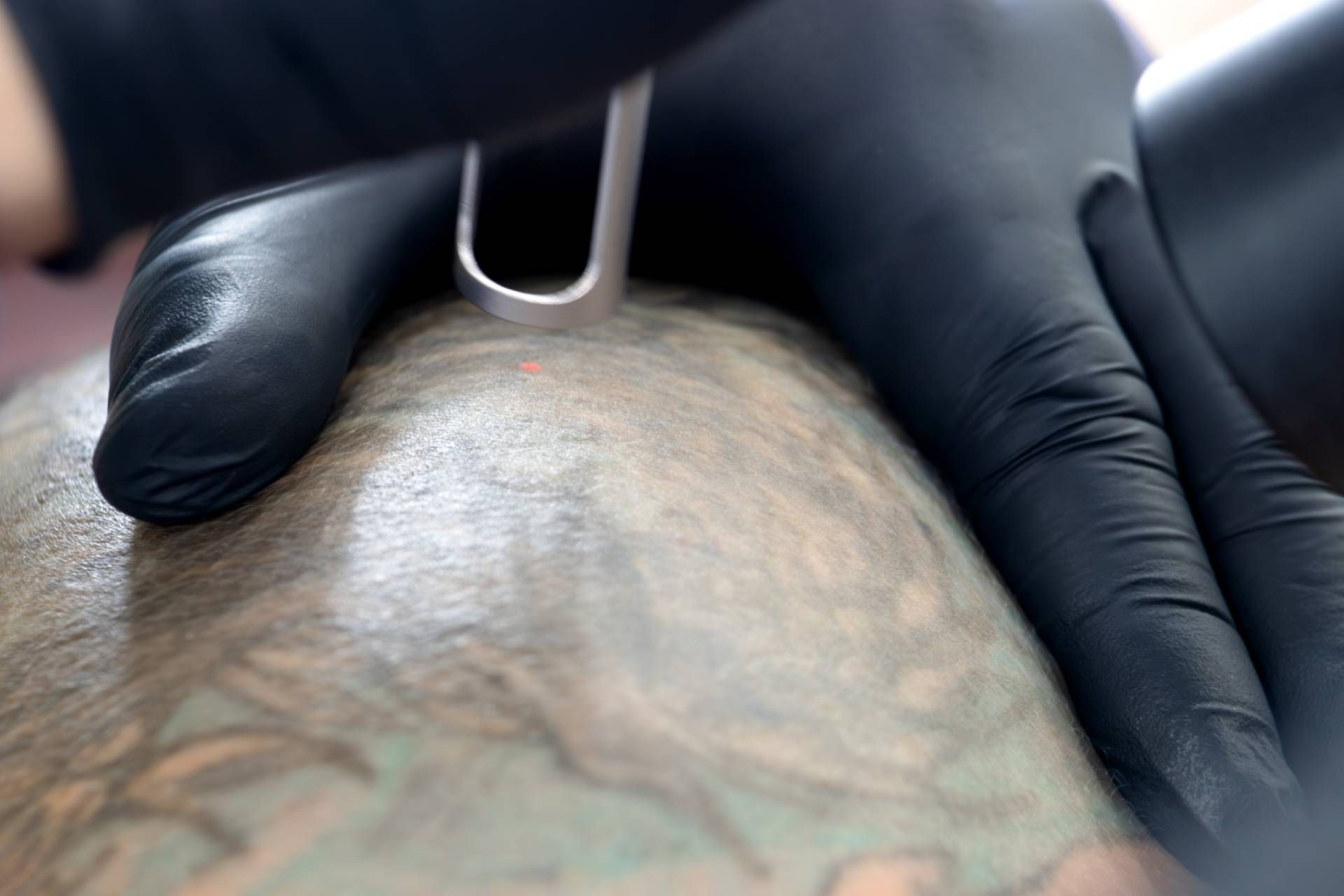
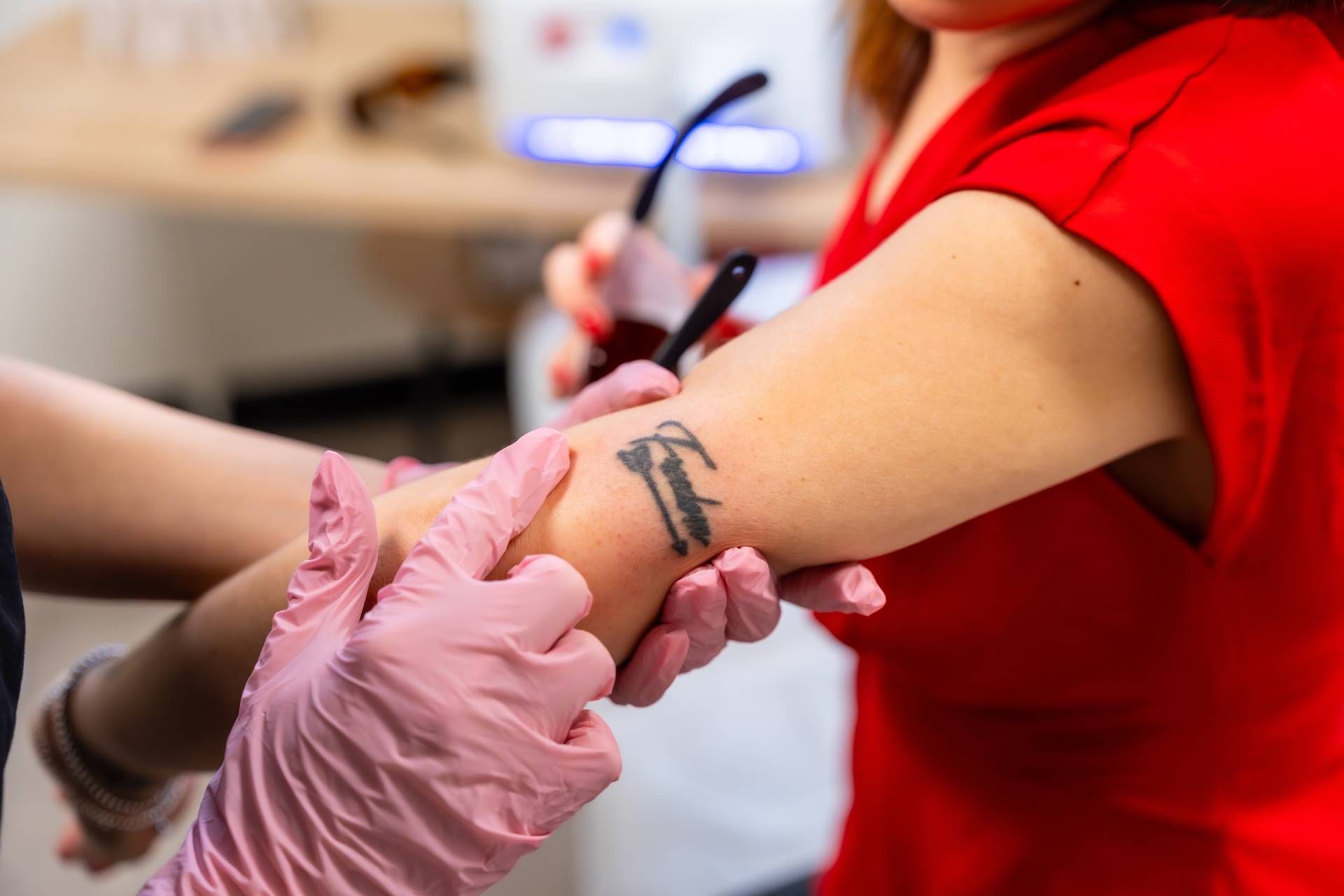
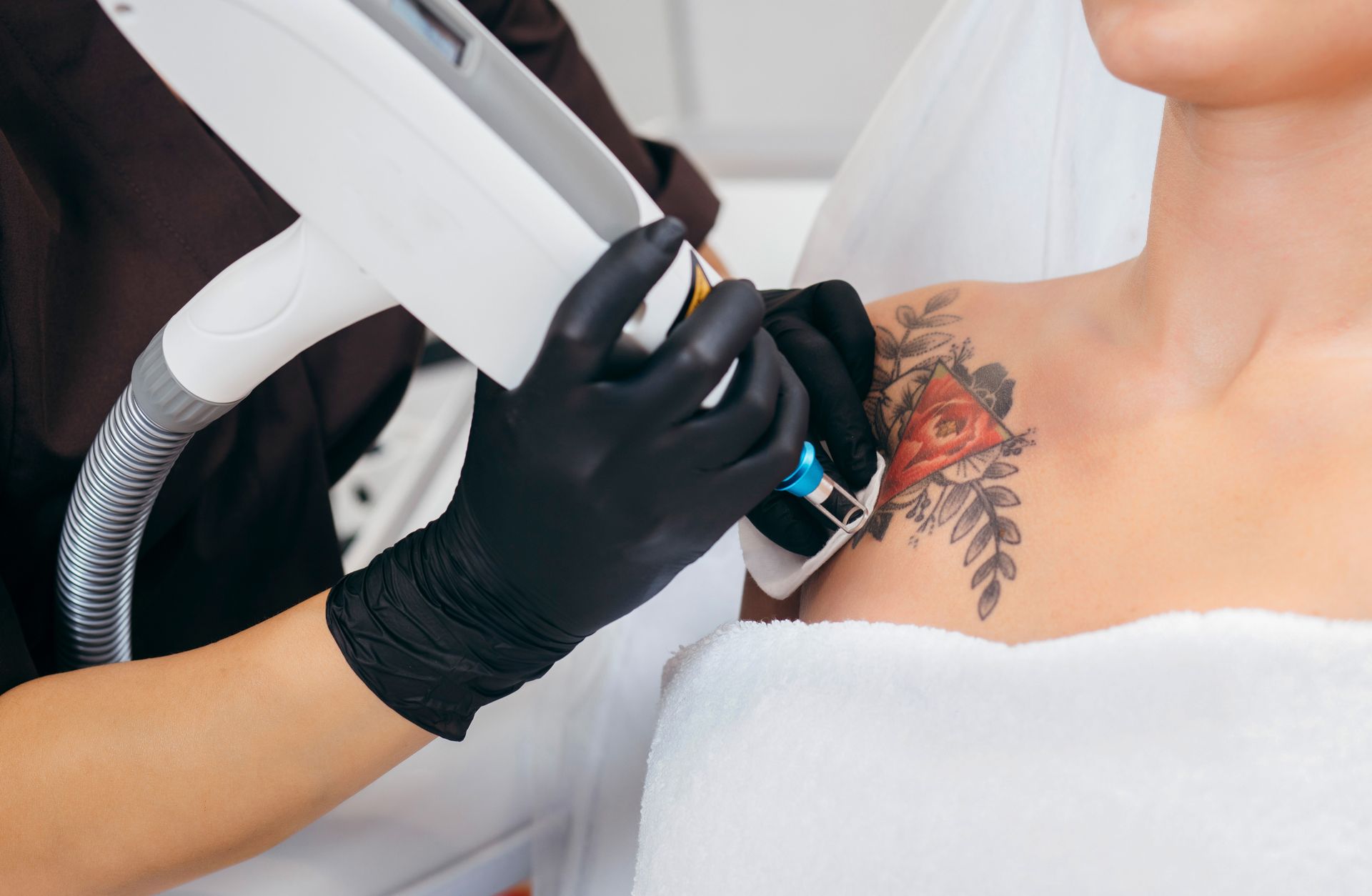
The reason a tattoo stays on your skin is that the ink particles are too large for your immune system to remove. Laser tattoo removal sends short, concentrated light pulses into the ink, which absorbs that energy and shatters it into micro-particles that your body flushes out over the following weeks. Since pale ink colors like white and yellow reflect most of the laser light rather than absorbing it, less energy reaches the pigment, fewer particles break down, and the color doesn’t fade as much.
Is Removing Bright Tattoo Ink Possible?
Success rates for removing bright tattoos have greatly improved as laser technology has advanced. Our PicoWay® Picosecond laser treats red, orange, and yellow ink on lighter skin tones, along with green, blue, purple, black, and brown ink. With both PicoWay® and Q-switched lasers, we have several wavelengths to treat stubborn pigments. If you’d rather cover the tattoo, we can also lighten it enough for your artist to work over it.
Ink composition presents another challenge. Tattoo inks aren’t standardized across the industry, which means ingredients can vary widely from one brand, or even one artist, to the next. Due to this variation, two tattoos in the same color can respond to the laser in different ways.
Titanium dioxide and iron oxide, which are common components of white, pink, red, and light brown tattoo ink, can trigger a reaction that causes these colors to darken under certain lasers rather than fade. During your consultation, we’ll examine your tattoo’s ink to plan treatment based on how it’s likely to respond.
Picosecond Lasers and Ink Color Differences
The PicoWay® laser has four true picosecond wavelengths, and our specialists can adjust the energy level to get the best results for your tattoo. Most laser tattoo removal ink color differences come down to wavelength. Since different colors respond to different wavelengths, a tattoo with many colors may require a mix of settings across sessions, which can increase your overall treatment time.
Skin tone matters too. The PicoWay® laser can treat black, brown, green, blue, and purple ink on all six Fitzpatrick skin types. Older lasers can carry a higher risk of lightened patches and scarring on darker skin, while the PicoWay® laser’s shorter pulses help reduce those risks.
What You Can Do Between Sessions
Aftercare also plays a big role in how smoothly your tattoo removal goes. Be sure to follow the instructions your specialist gives you after each treatment, keep the treated area out of the sun, and stick to your schedule. We require at least six weeks between sessions to give your skin time to heal and let your immune system clear the micro-particles of ink.
Contact Us for Laser Tattoo Removal Near Lexington, Kentucky
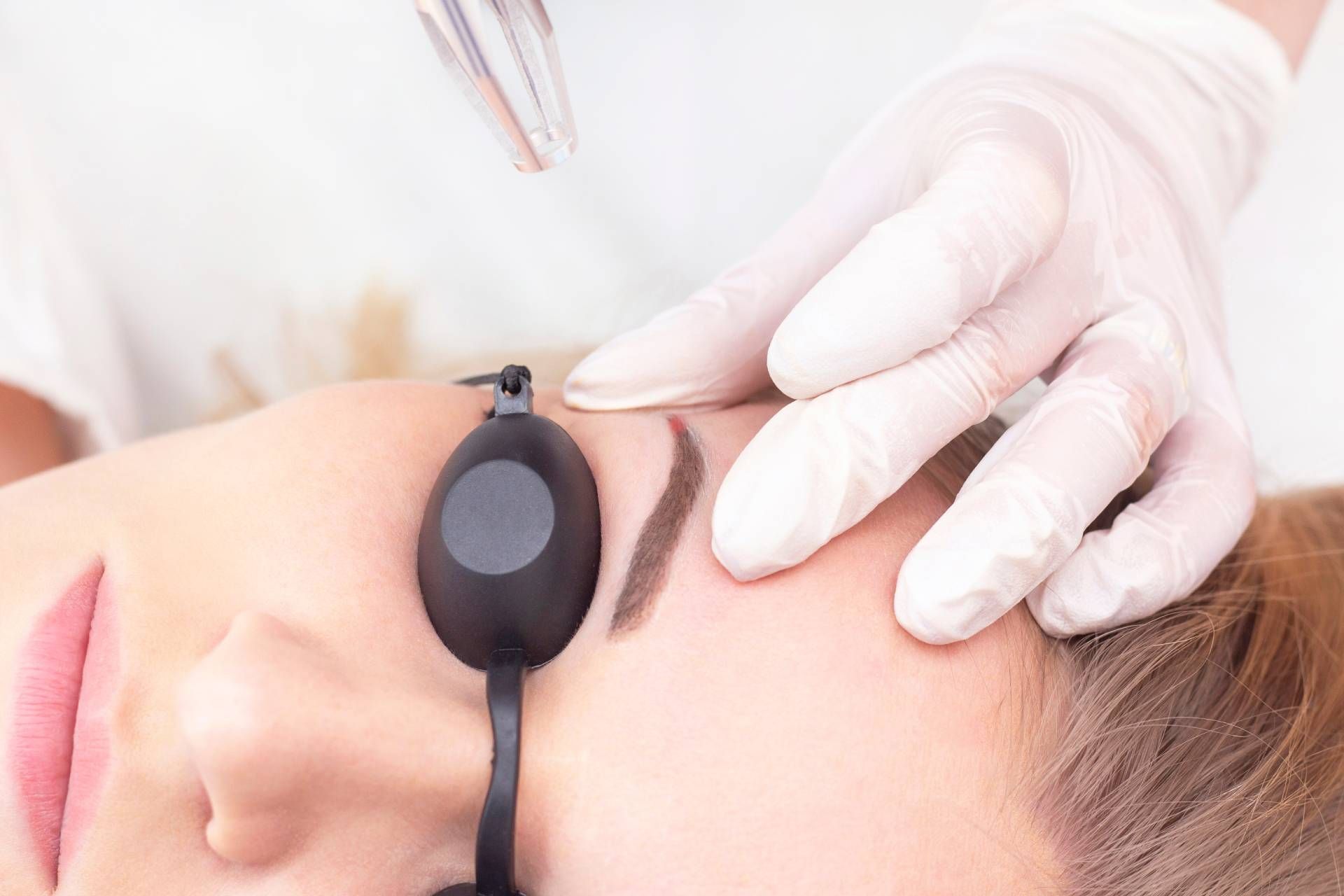
If you have tattoos with unusual or bright ink colors that are difficult to remove, contact Lexington Tattoo Removal. Our trained specialists use advanced lasers to give you the best possible results. We also offer laser hair removal and microblading removal.
Request a consultation by calling (859) 785-2189, submitting our online contact form, or visiting our clinic. We serve the greater Lexington, Kentucky, area and surrounding regions, including Louisville, Kentucky; Cincinnati, Ohio; Huntington, West Virginia; and Nashville, Tennessee.