Sun Exposure and Tattoo Removal
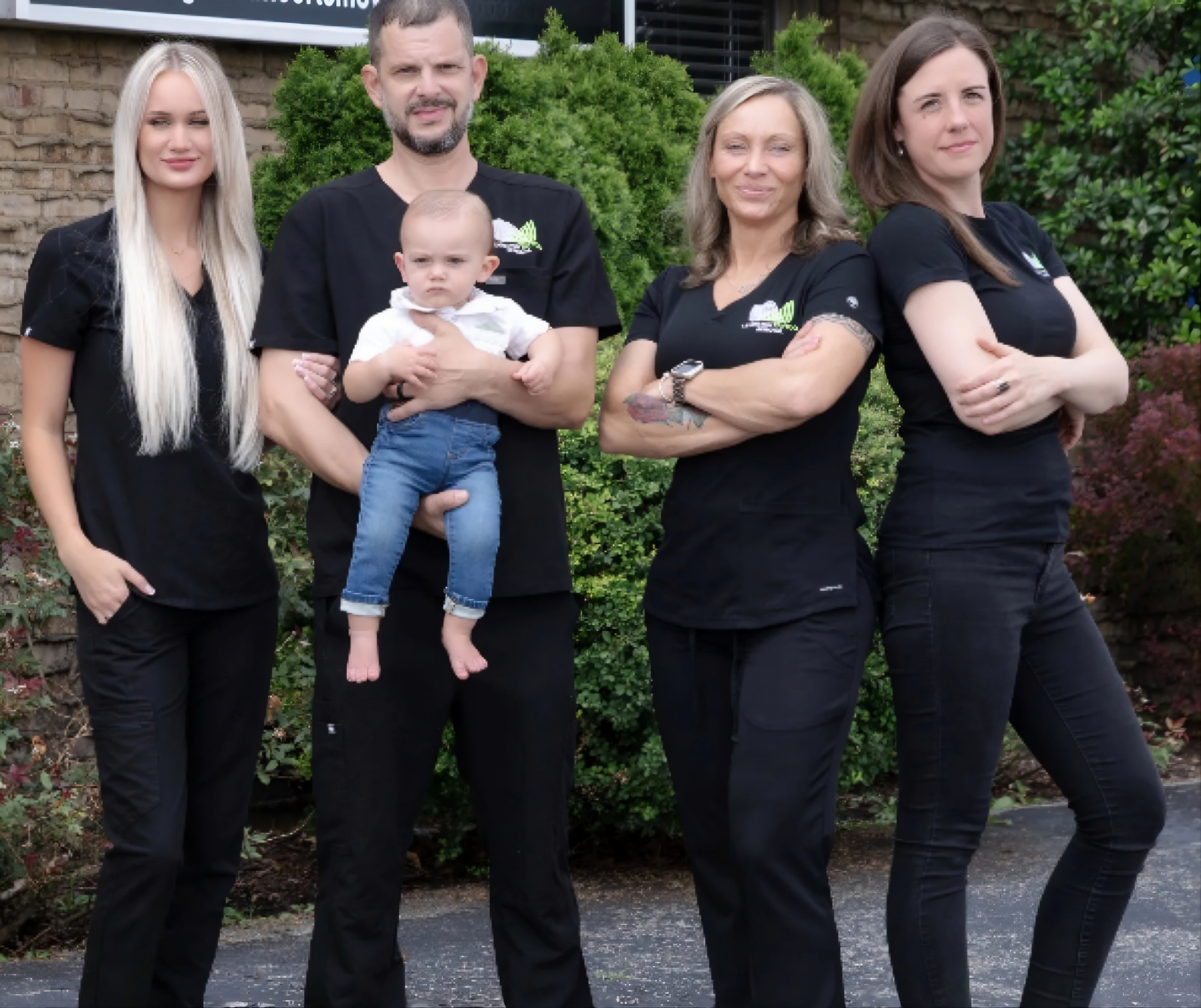
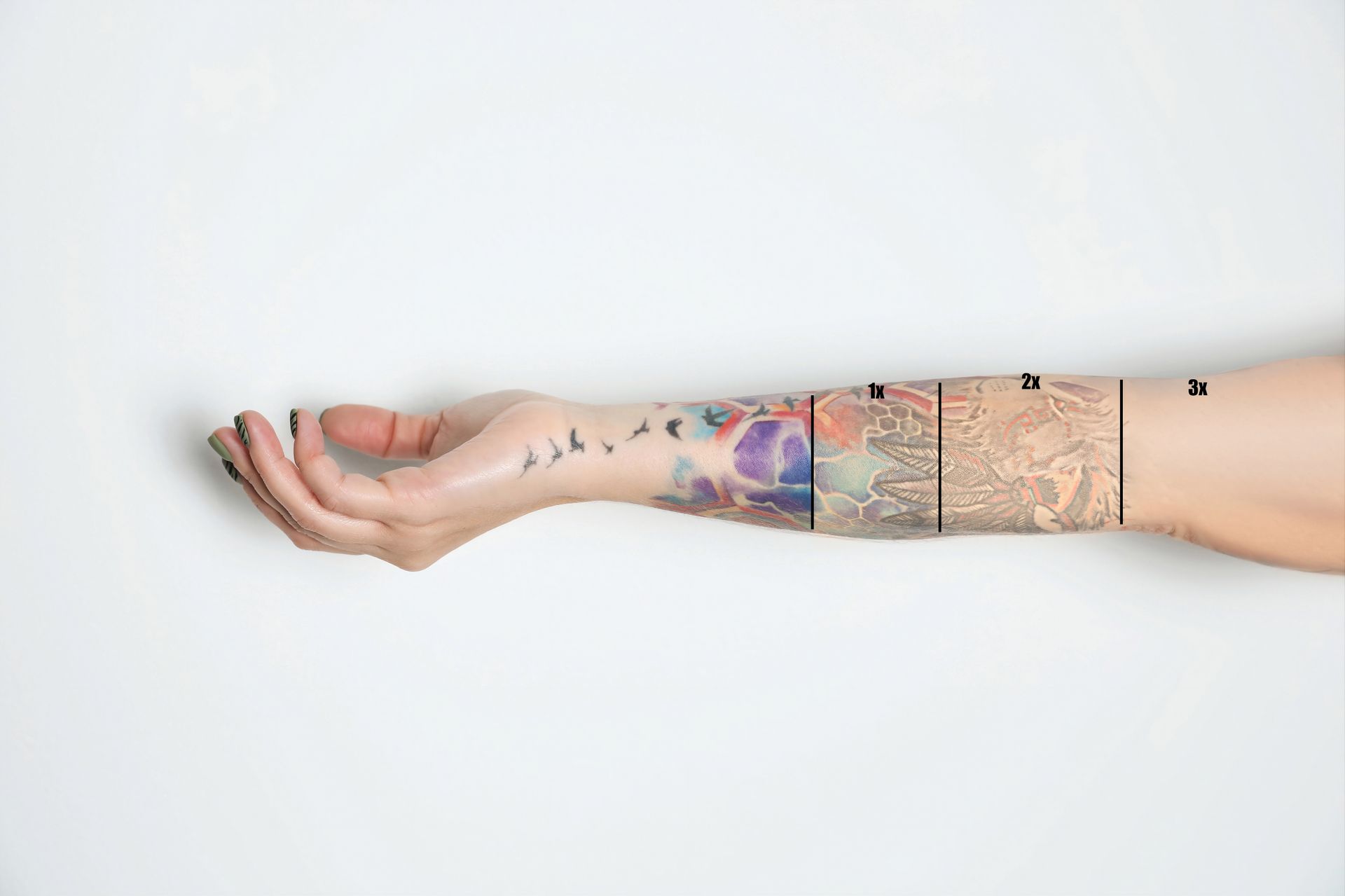
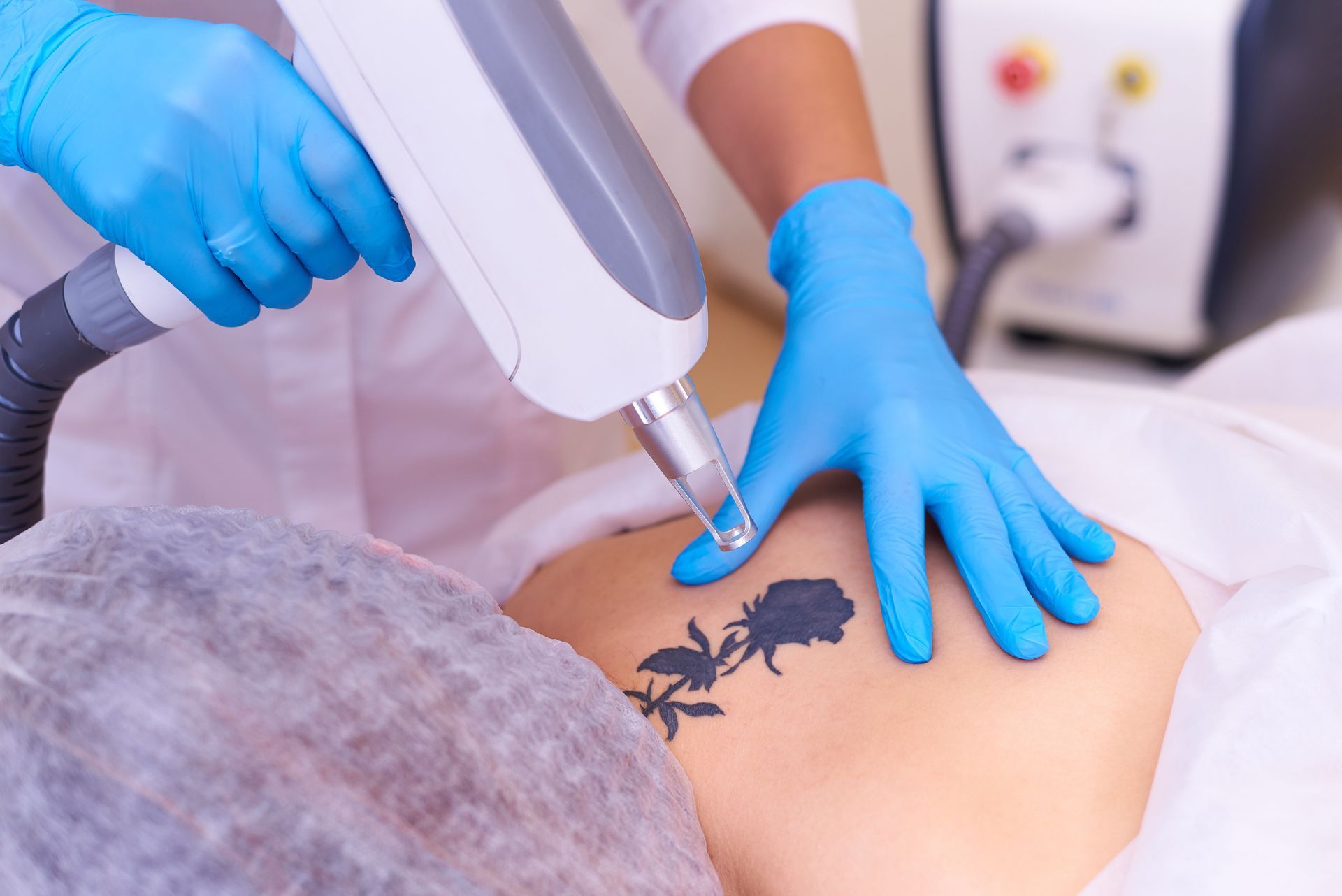
Sun exposure and laser tattoo removal don't mix well, especially if your skin is tanned when you come in for a session. Kentucky's humidity also adds challenges for healing skin. At Lexington Tattoo Removal near Lexington, Kentucky, our Certified Laser Tattoo Removal Specialists take the time to assess your skin and needs to provide the best possible care using our state-of-the-art technology.
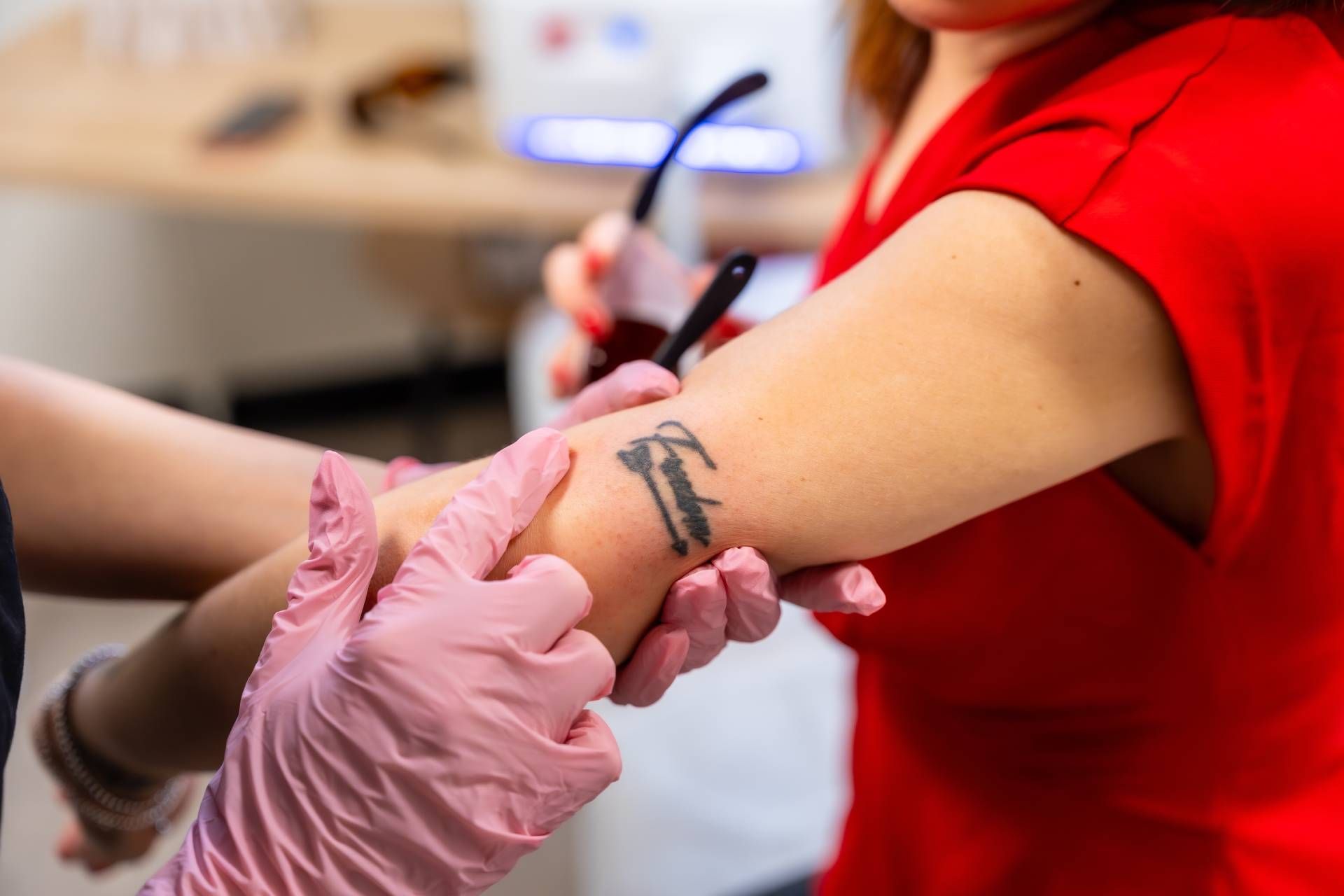
Learn how sun exposure and humidity affect your results in the Lexington climate, and what you can do to protect your skin and achieve the best outcomes from your treatment.
The Sun and Laser Tattoo Risks: UV Exposure
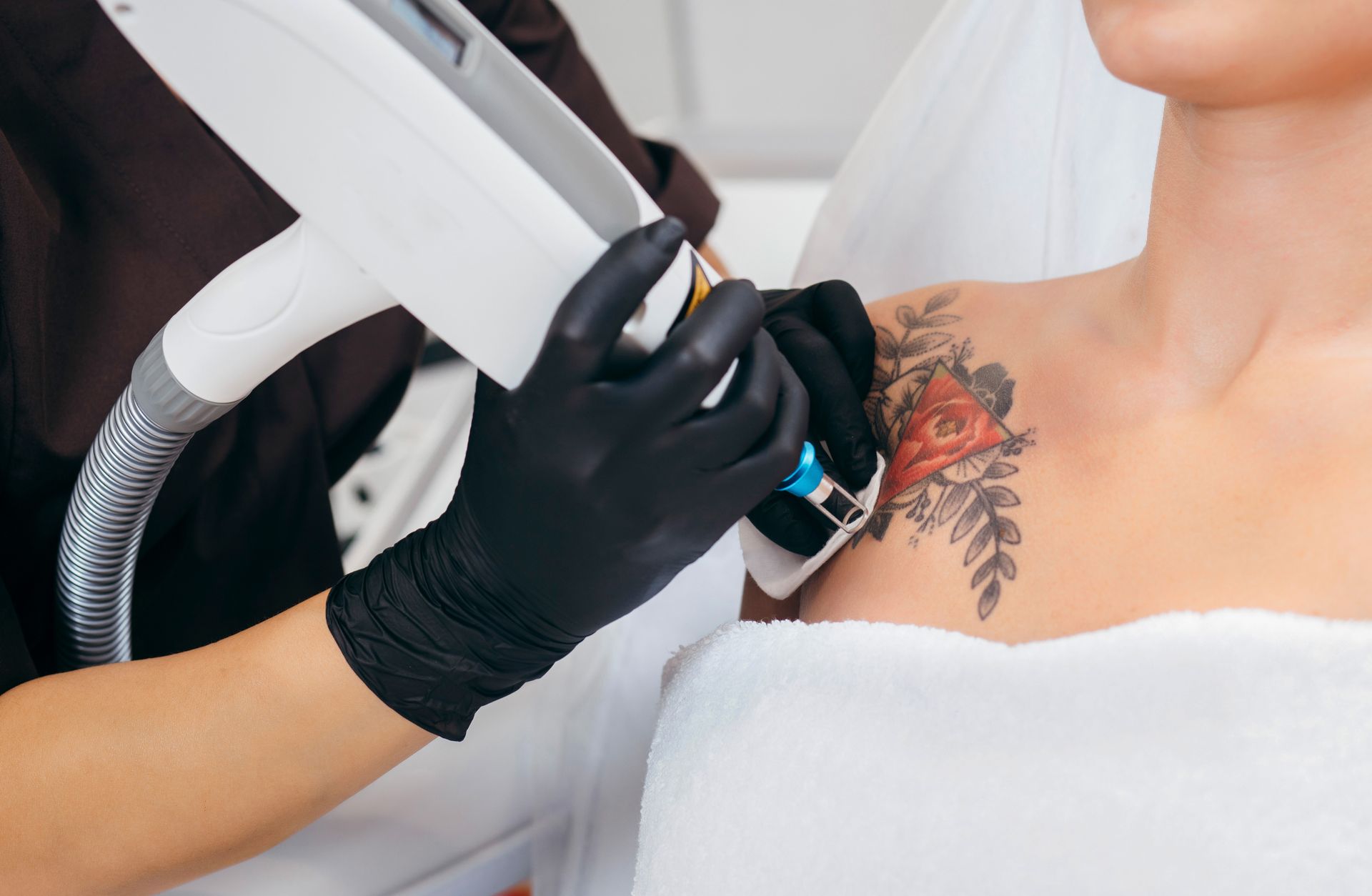
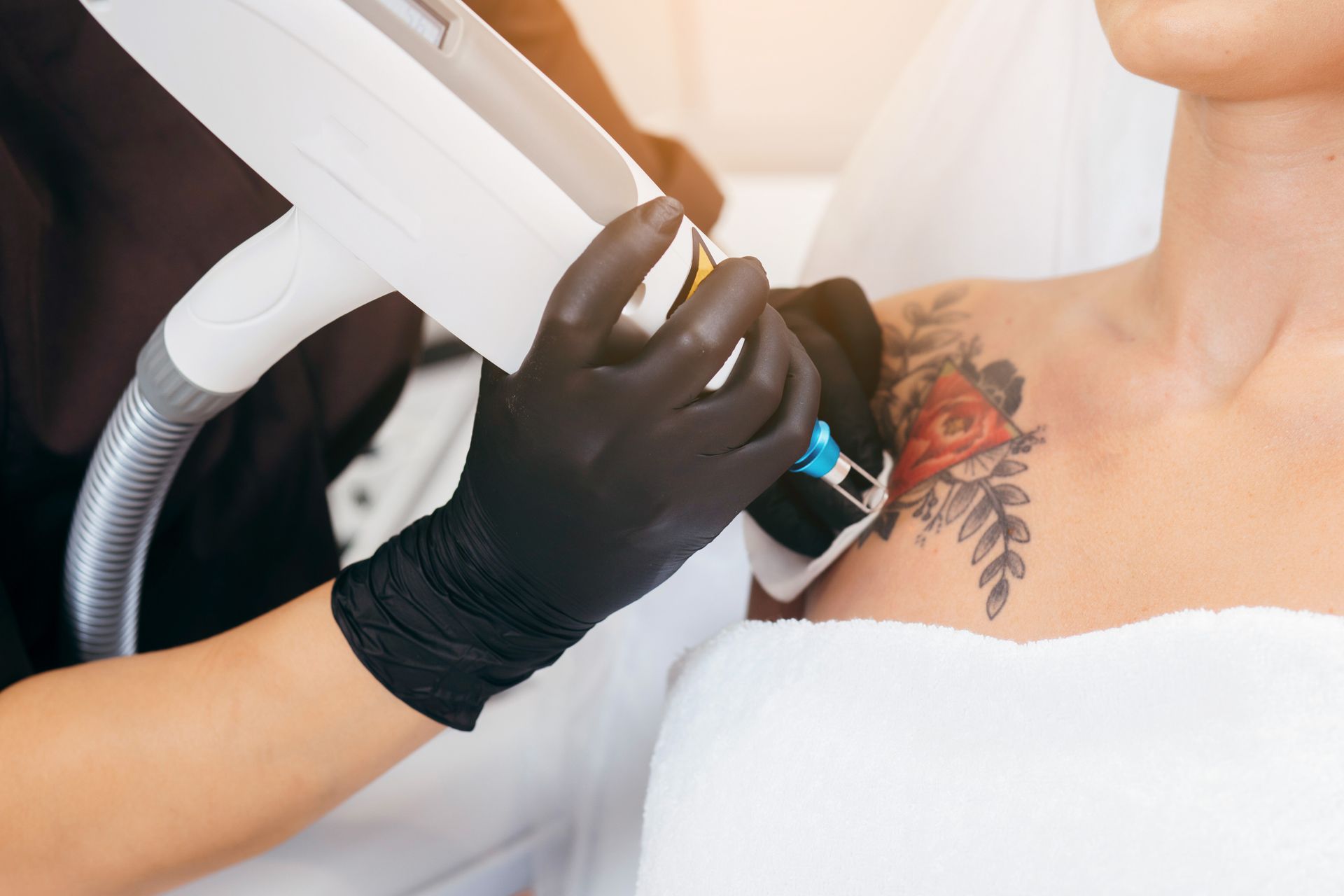
Sun exposure increases melanin, which is why skin tans, but it also makes skin more reactive to laser treatment. The laser works by targeting the pigment in your tattoo ink, and tanned skin has more pigment of its own, which makes it harder for the laser to tell your ink apart from the surrounding skin.
Trained specialists generally won't treat skin that's tanned or sunburned, so a session may need to be rescheduled if you’ve spent time outdoors without UV protection. Since tanning is most common in June, July, and August, that's when rescheduling is most likely, which is why summer treatments tend to progress slowly or end up behind schedule.
If a session is performed on tanned skin, it increases the risk of hypopigmentation (areas of skin that become lighter than normal) and hyperpigmentation (areas of skin that become darker). These changes are usually temporary, often fading within 6-12 months, but in a small number of cases they can be permanent.
The closer your skin is to its normal tone, the easier laser tattoo removal becomes. Let your specialist know if you've had significant sun exposure, a burn, or peeling before your next appointment.
Laser Tattoo Removal Risks in the Lexington Climate
Kentucky's humidity can affect your skin during recovery, too. Heat and high humidity increase sweating, and a warm, moist environment is an open invitation for bacteria. Keeping the treated area clean and dry matters just as much as staying out of the sun.
In the summer, hot tubs and pools are tempting, but they can expose your skin to bacteria after a session, which can lead to infection. Sweat can also irritate your tattoo removal area, especially during the first 24 hours after treatment.
Protect Your Healing from Sun Exposure
Cover your skin when you can to protect your healing. The American Academy of Dermatology recommends keeping the treated area covered with clothing that blocks light completely throughout your planned sessions and for about three months after your treatment ends. Staying covered is easier in fall and winter, when cooler weather already calls for longer sleeves.
Working with a qualified professional and using exceptional equipment helps ensure the success of your laser tattoo removal and healing. Our specialists will tell you exactly what you can and can't do before and after each laser tattoo removal session. Failing to follow care advice can result in postponed sessions, which add time to the removal process. Following care instructions closely keeps treatment on schedule and helps you achieve successful removal.
Contact Us for Laser Tattoo Removal Near Lexington, KY
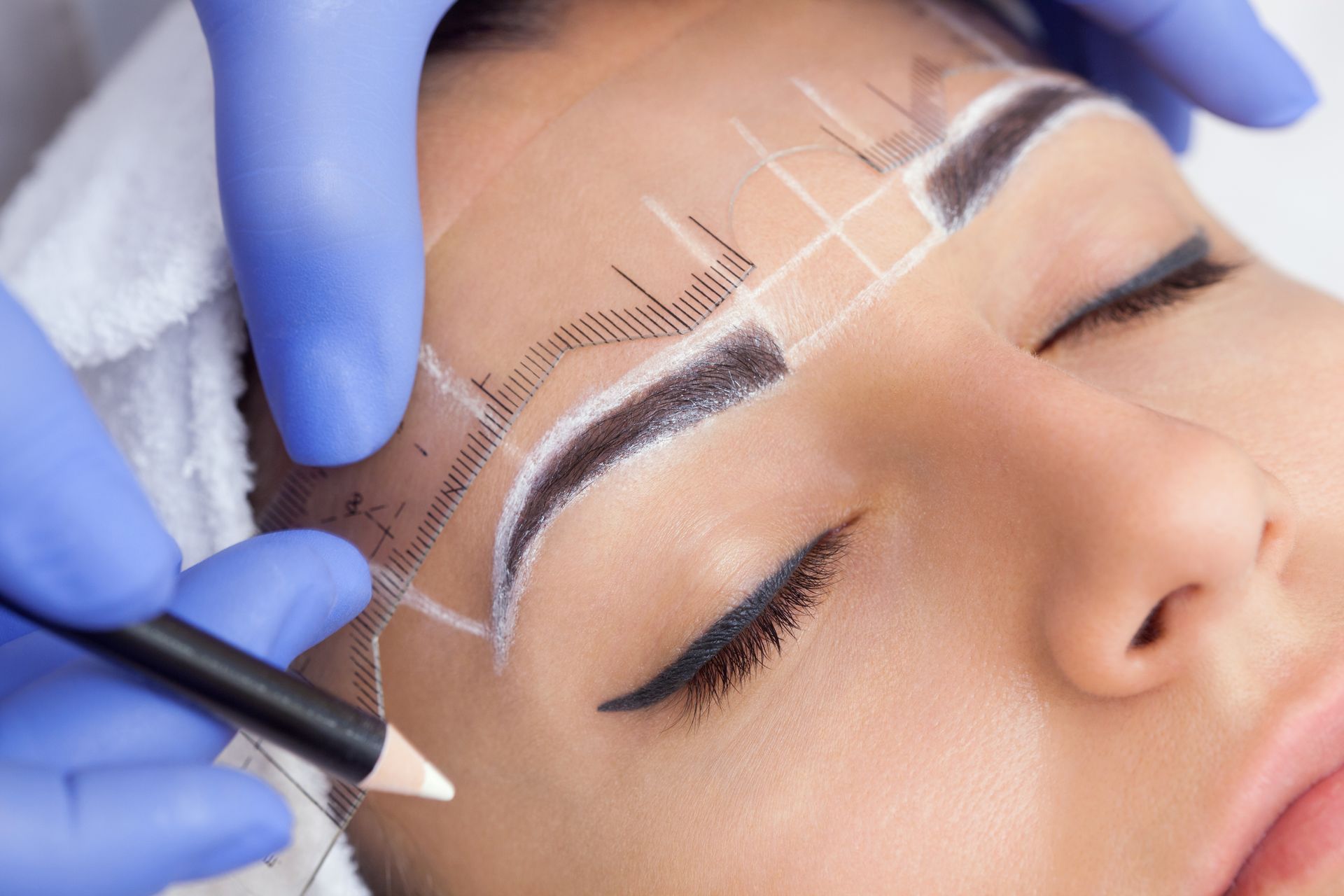
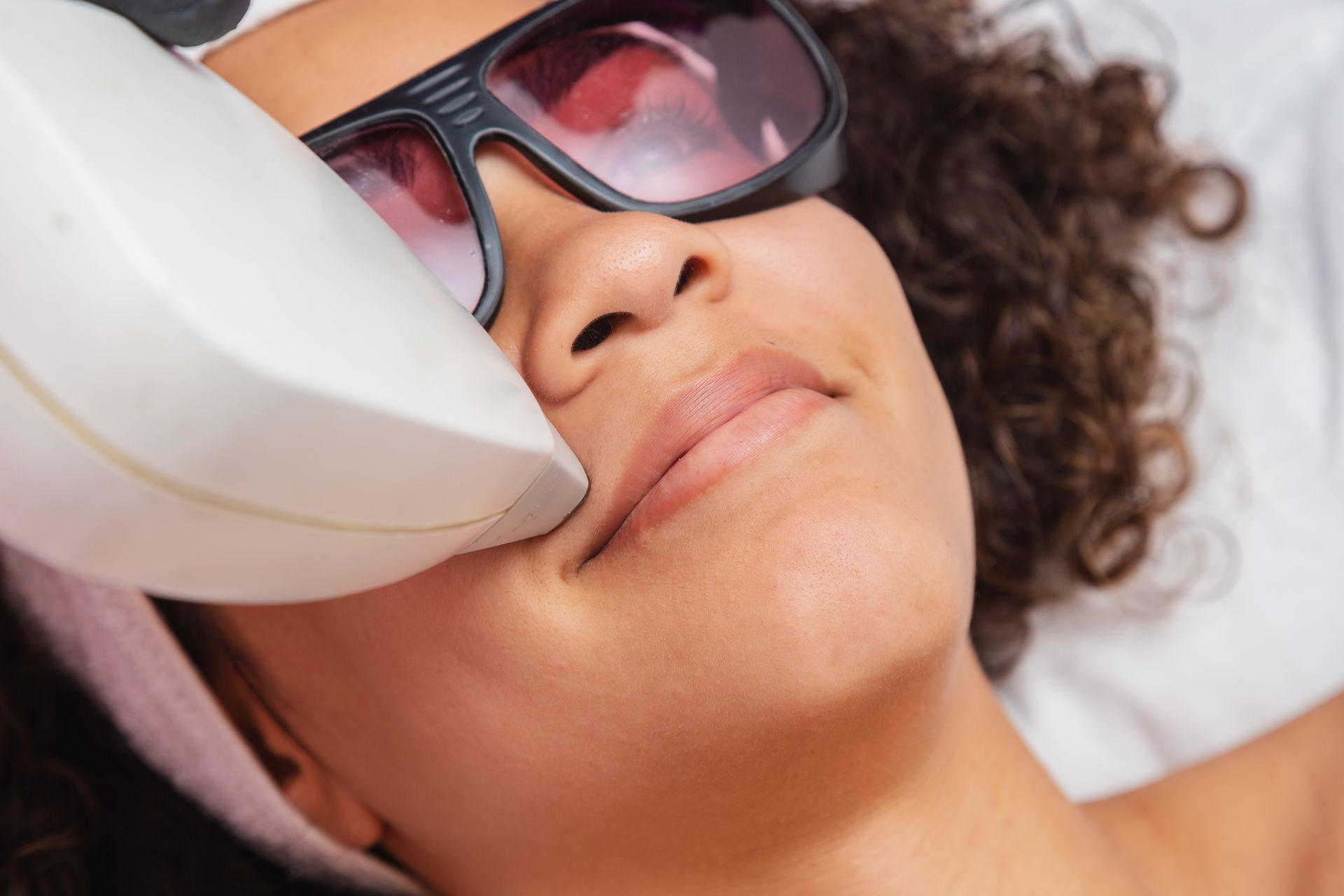
Summer is a wonderful time to relax and enjoy the sun, but it’s not always the best season for laser tattoo removal. If fun in the sun is the highlight of your summer, start your laser tattoo removal journey in the fall or winter with a visit to Lexington Tattoo Removal. We'll look at your unique tattoo and assess what we can do and approximately how long it will take. We also offer laser hair removal and microblading removal.
Request a consultation by visiting our clinic, calling (859) 785-2189, emailing us, or filling out our contact form. We serve the greater Lexington, KY, area and surrounding states, including Louisville, KY; Cincinnati, OH; Huntington, WV; and Nashville, TN.